
What do Usha Vance and a Couch Have in Common?
on the legacy of colonialism in the South Asian diaspora

I played soccer most of my young life, and during the summers especially, that would keep me out in the sun for large parts of the day. As anyone with an understanding of how tanning works will know, that meant my skin became significantly darker that it already was.
One such summer, while I was particularly dark, my family went to Pakistan to visit the extended members of the family who still live there. My only memory of that visit is when my grandmother took me into the shower and tried for 30 minutes to scrub the darkness off me because it was dirty. My skin needed to be lighter, as close to white as possible. I remember her triumphant declaration at cleaning the stubborn darkness off my skin, which by the way she hadn’t managed to do even slightly. Borderline sexual assault aside (I say borderline because I don’t really think there was any sexual component to it despite all the places she aggressively scrubbed), what stuck with me about that interaction is the stunning racism exhibited by this woman who had grown up in a society colonized and enslaved by the British.
She would often tell stories about how proud she was to meet this or that British lord and how her community worked so hard during that time. As an uninformed child, I thought it was kind of interesting. Maybe one day I would get to meet British royalty too. It would not be until years later that it would finally dawn on me that she was singing the praises of the very people who subjugated her, her loved ones, and her community members.
That legacy of colonialism was passed down to her children. I remember when the only man my father ever referred to as a friend passed away suddenly from bone cancer. My father had me write the condolence letter to his widow. And I don’t mean he had me proofread it or give him suggestions, like he couldn’t find the words or something. He fully had me write the letter. It was more important to him to be perceived in a particular way by a white woman than it was to speak with authenticity from the heart about this man he had been friends with for decades.
During my time at college, I would finally awaken to the reality of these acts, and of so many similar acts all members of my family repeated. During my sophomore year, I finally witnessed an act of South Asian resistance and self esteem. One of my professors, a man I hold in high regard, had an encounter with a colleague in which that colleague referred to him as “boy” and used phrases like “good boy” when speaking to him. My professor spoke with his colleague about the offensiveness of the interaction and how the implication of subservience was a colonial relic. When the colleague doubled down, my professor reported him to the administration, and there were consequences.
I had never until then seen a South Asian stand up for themselves in such a way, especially not to a white person. No, my lessons about how to interact with white people were about ensuring I didn’t rock the boat. It was important to be deferential and agreeable in my interactions. Impressing white people so they would bestow their favor upon us was the primary MO. All the while, conversations at home largely revolved around how white people were the devil. And this two faced subservience is what typifies the South Asian diaspora’s interaction with their white counterparts.
The days of the glorious Mughals are gone. Instead, those warriors and engineers have been replaced with modern South Asians who can be charitably described as milquetoast in their self advocacy and self esteem. The legacy of colonialism is so deeply ingrained in South Asian culture that most are not even aware of it themselves. They have forgotten the original names for their foods, referring to everything instead as “curry,” a British colonial invention. They are disenfranchised from the political process because their life of service does not change regardless of what white person sits atop the throne. Wealthier South Asians show significant support for conservatives and conservative immigration policies in particular. Ironically, many of those policies directly harm South Asian communities.
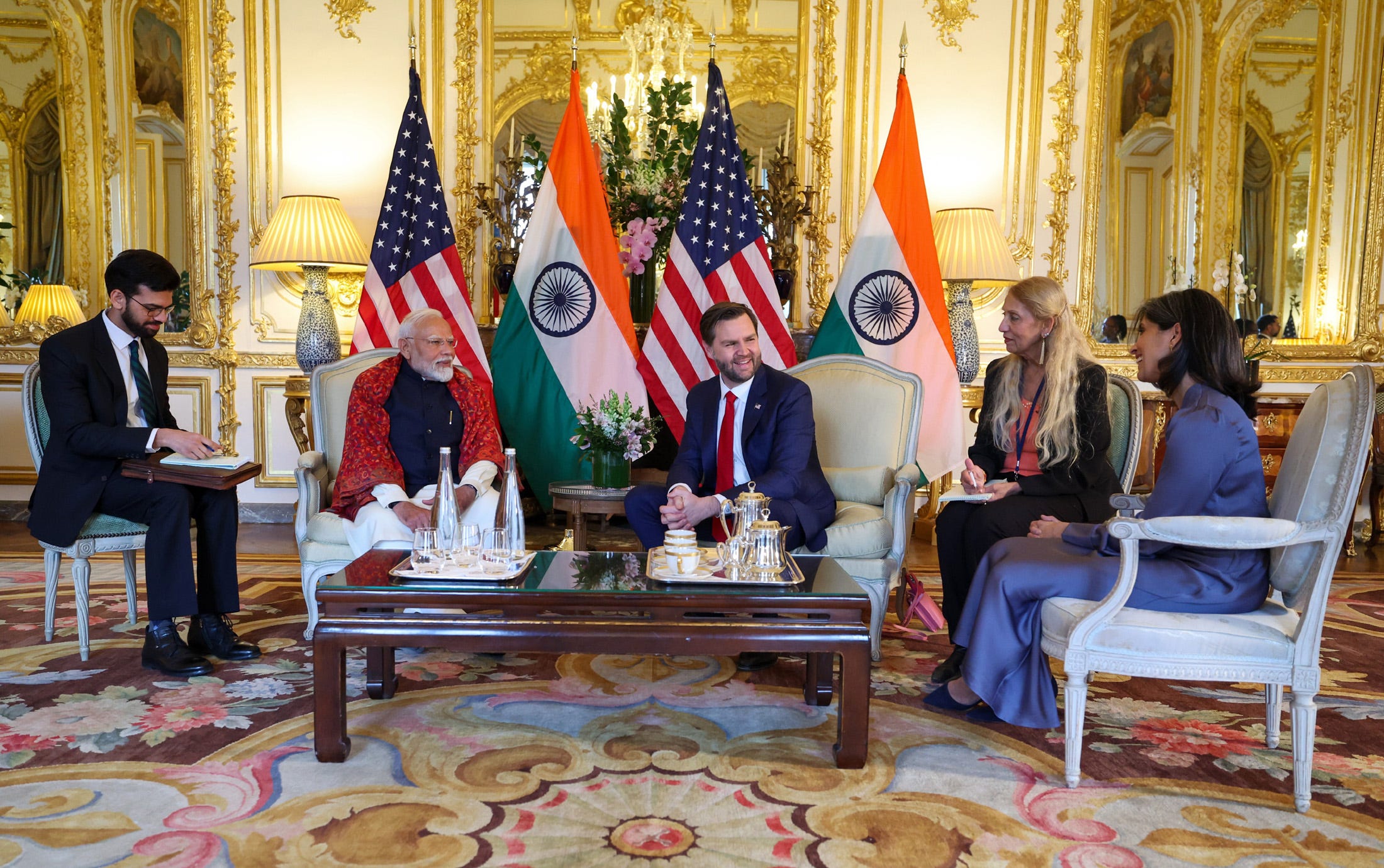
Usha Vance, born Usha Chilukuri, is an immigrant of parents from the renowned region of Andhra Pradesh, India. A Yale graduate and lawyer, she is now second lady and pregnant with her and JD’s fourth child. But here’s the thing. Usha used to be a registered Democrat. She is a Hindu while her husband is a Christian, and she has agreed to raise their children in the Christian faith. JD himself reportedly used to be an atheist until he found his way to Catholicism.
I would be the last one to say that a person’s ethnicity should be enough to determine their politics, let alone their love life. But when I see this level of flip flopping, and refusal to speak in the face of repeated insults to one’s religion, culture, and marriage, I become highly skeptical of what’s really going on. My own experience tells me that the legacy of colonialism may indeed be alive and well here. It is challenging for me to reconcile how someone who once worked on the Iraqi Refugee Assistance Project and Media Freedom and Information Access Clinic could find her way to clerking for Brett Kavanaugh and John Roberts and subsequently holding the position she does now.
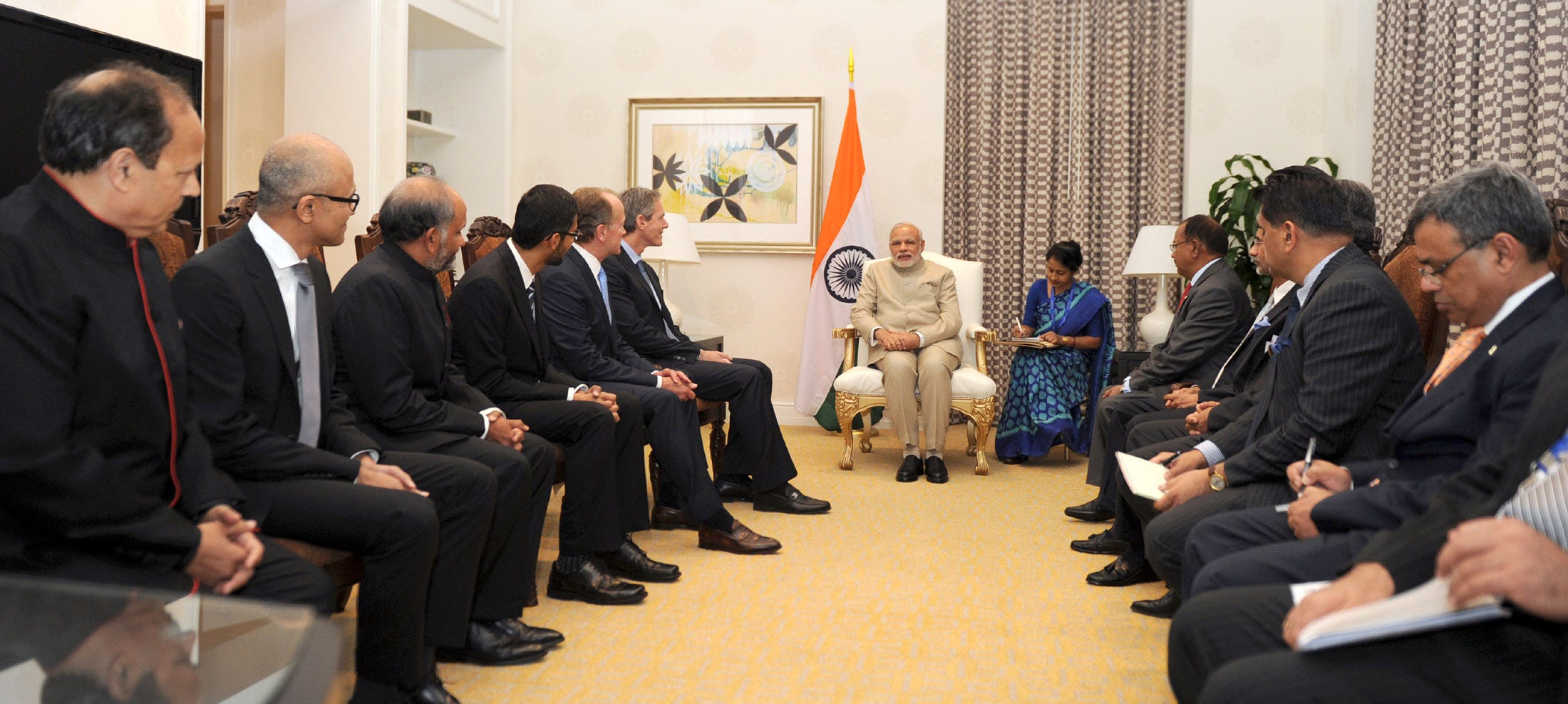

That is, it is challenging to reconcile unless I recognize the obvious legacy of colonial subservience. Andhra Pradesh is home to a history of warriors and scholars, but in modern times it churns out Brahmins who often ingratiate themselves into the most rank corners of white Western society. They align themselves with racism and xenophobia I imagine in attempts to curry favor with those in power. Modi’s hateful rhetoric permeates their ethos. It certainly seems to be working out well for the Chilukuri family, though.
But we are fortunate that the days of my parents are hopefully coming to an end. With the rise of leaders like Zohran Kwame Mamdani, the South Asian diaspora in America is beginning to see that invisible subservience is not the only path. We have much to offer, much to which we can attach self esteem independent of the approval of our white masters. And while some of us who attain the success we seek cozy up to the billionaire class, others are actively working to be on the right side of history. It is disheartening to me when I see people like Sundar Pichai prioritize profits over principles, or Usha Vance seemingly prioritize social standing above speaking one’s mind. I do hope that the next generation of South Asians, wealthy and otherwise, will seek to break the chains of colonialism and erase the conscious and subconscious habits which are ever present markers of the legacy of those chains.